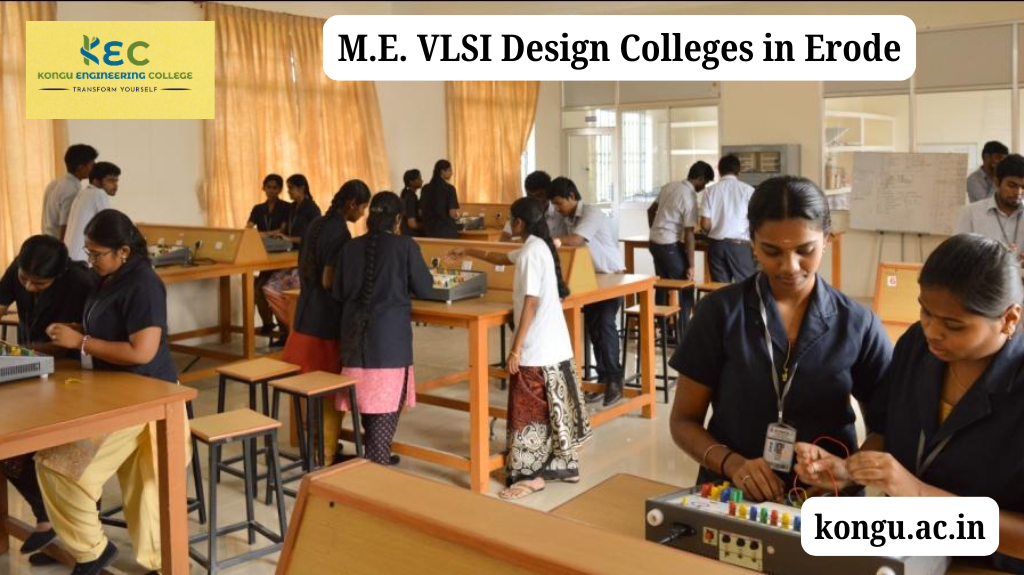
Students planning a postgraduate degree often compare options carefully. Many begin by searching for M.E. VLSI Design Colleges in Erode to find a reliable institution with strong academic structure. Kongu Engineering College offers a two-year M.E. VLSI Design programme that blends theory, laboratory training, and guided projects. As a result, students gain both subject clarity and practical exposure within a disciplined campus system.
Why Kongu Leads Among M.E. VLSI Design Colleges in Erode
Kongu Engineering College is an autonomous institution located in Perundurai, Erode, with a well-structured career transition and placement system. These recognitions reflect academic quality and structured governance.
The M.E. VLSI Design programme follows a semester pattern over two years. Each semester combines classroom instruction with lab sessions. Students study digital design, CMOS circuits, analog integrated circuits, and hardware description languages. In addition, system-on-chip concepts and simulation tools are covered in depth.
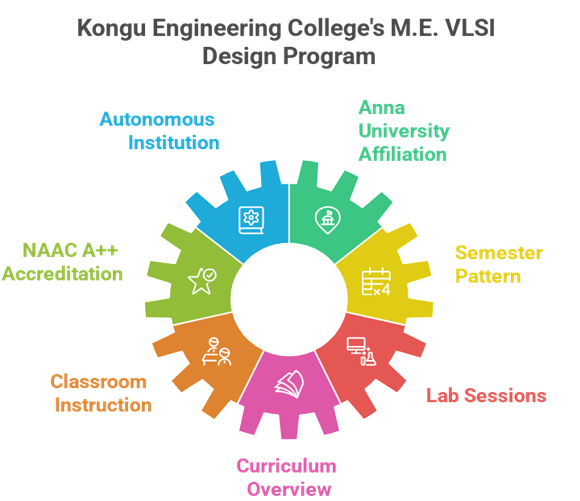
The M.E. VLSI Design programme follows a semester pattern over two years. Each semester combines classroom instruction with lab sessions. Students study digital design, CMOS circuits, analog integrated circuits, and hardware description languages. In addition, system-on-chip concepts and simulation tools are covered in depth.
Course Structure and Admission Process
The curriculum aligns with university guidelines while maintaining academic rigor. During the first year, students build strong fundamentals. Later, they handle advanced design topics and project implementation. Therefore, learning remains progressive and clear.
Many students also look into M.E. VLSI Design Admission in Erode before finalizing their decision. Admission follows state norms and requires a relevant undergraduate degree in electronics or allied fields. Applicants should review eligibility criteria as per official guidelines.
What Students Learn
- Circuit modeling and simulation
- Digital and analog design techniques
- HDL coding and verification
- System integration concepts
Moreover, regular lab practice ensures students understand how theory connects with real tools.
Labs, Projects, and Career Preparation
Laboratory exposure strengthens technical confidence. Students spend significant time working with design software and simulation platforms. Consequently, they develop hands-on skills that support career growth.
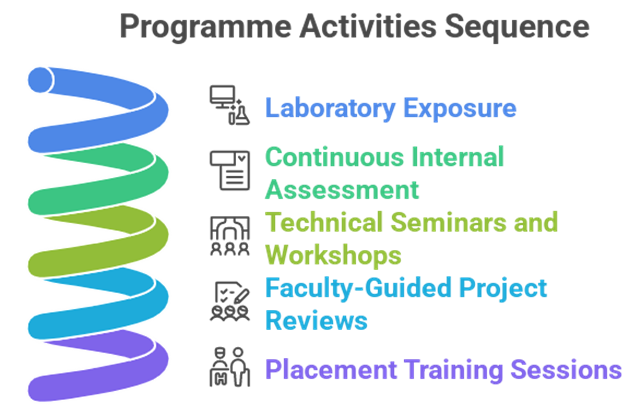
The programme also includes:
- Continuous internal assessment
- Technical seminars and workshops
- Faculty-guided project reviews
- Placement training sessions
In the second year, students complete a major project. This phase allows them to solve practical engineering problems. Through this experience, they refine analytical and design abilities.
When comparing options, aspirants evaluate faculty support and campus environment. For those reviewing M.E. VLSI Design Colleges , structured mentoring and disciplined academic planning make a strong difference. Kongu maintains consistent academic monitoring, which helps students stay focused.
Placement support also plays a key role. Students attend aptitude training and mock interviews. As a result, they enter campus recruitment with greater readiness.
What Makes the Programme Career-Focused?
VLSI design demands accuracy and deep technical understanding. The postgraduate programme at Kongu trains students to approach design problems with clarity. They learn to simulate, test, and refine circuit models carefully.
Furthermore, structured semester planning ensures steady academic progress. Faculty guidance supports each stage of learning. Therefore, students build confidence alongside technical skill.
For students evaluating M.E. VLSI Design Colleges in Erode, selecting an institution with clear academic planning and lab integration is essential. Kongu Engineering College provides that balance through guided study, project work, and placement preparation. As a result, it remains a dependable choice for advanced VLSI education.
“Unlock your future in VLSI – Enroll now https://kongu.ac.in/ and design tomorrow’s technology!”