
Students who plan to build a career in IT often search for Career Opportunities for Information Systems before choosing a course. Information Systems combines computer science, data management, and business technology, making it one of the most useful degrees today. At Kongu Engineering College, this program is designed with strong academic support, modern labs, and placement training, helping students prepare for real industry roles. Kongu Engineering College offers structured learning, industry exposure, and career guidance, which makes the program more valuable for students who want stable IT careers. Information Systems and Strong Career Value Information Systems focuses on how computers, software, and data are used in real organizations. Companies depend on these systems for daily operations, which creates steady job demand. Students who understand these basics can clearly see the Career Opportunities for Information Systems in software companies, banks, and technology firms. Career Opportunities for Information Systems After Graduation Students completing this course can work in multiple IT and technology roles because the syllabus covers both theory and practical skills. Because industries need trained professionals, the Career Opportunities for Information Systems continue to grow every year. Graduates can also explore careers in software testing, technical support, and application management. With proper training, students can move into higher technical roles within a few years. Why Kongu Engineering College is the Right Choice for Information Systems? Students often compare colleges before joining a course. Academic quality, lab facilities, and placement support play a major role in decision making. Kongu Engineering College provides strong infrastructure and experienced faculty, which improves learning quality and confidence. Academic Strength Laboratory and Technical Facilities These facilities help students understand technology clearly and prepare for real-world work. Students also get training programs that improve technical and communication skills, which increases the Career Opportunitiesafter graduation. Placement Support for Information Systems Students Good placement support is one of the main reasons students prefer certain colleges. Training and campus recruitment help students start their careers quickly. Placement Training Includes With proper training and campus recruitment, students gain confidence and industry exposure. Because of this structured support, many students notice better Career Opportunities for IS at Kongu Engineering College compared to general colleges. Jobs after Information Systems Graduates in Information Systems can work as system analysts, software support engineers, database assistants, network technicians, or IT coordinators. The course builds both technical and practical skills, so students can enter IT companies, banks, software firms, or continue higher studies for advanced roles.Information Systems is one of the most practical courses for students who want to enter the IT field without delay. The course teaches programming, database handling, networking, and system management, which are required in many industries today. Because of this, students who study in a well-equipped college gain better career growth. Kongu Engineering College provides strong academic support, modern labs, and regular placement training, which makes the course more useful for future careers. With proper guidance and industry exposure, students can confidently build successful IT careers after graduation. Students who carefully choose the right institution can clearly see the value of Career Opportunities for Information Systems when the course is studied in a college that focuses on both knowledge and career preparation. “Choose your focused career in Kongu and Make a lead in your Journey @ https://kongu.ac.in/ ”
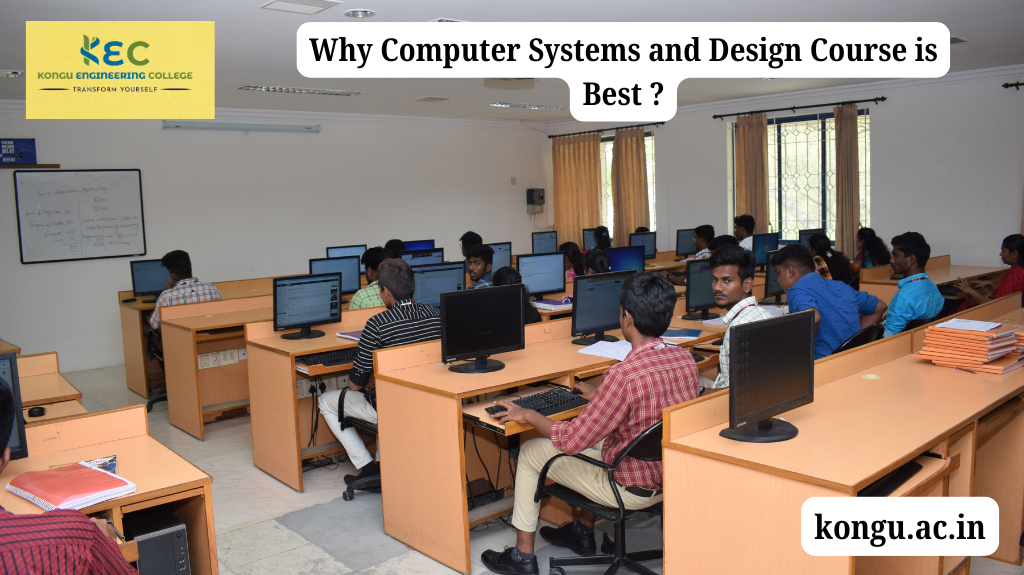
Why Computer Systems and Design Course is Best ? – Reasons to Choose Kongu Engineering College
Choosing the right technology course after school can shape a student’s entire career path. Many students search online to understand Why Computer Systems and Design Course is Best before selecting a college. This course combines programming, system knowledge, and creative design skills, which makes it suitable for modern IT careers. At Kongu Engineering College, the course is designed with practical learning, updated labs, and strong placement support, making it a preferred option for students who want both technical knowledge and career opportunities. What Makes Computer Systems and Design Different from Other Courses? Computer-related degrees often focus only on coding or theory. However, this course combines system architecture, software skills, and design thinking. Because of this balanced approach, students develop both technical and creative abilities. Students looking for IT careers often compare courses like Software Systems, Information Systems, and Computer Science. Yet many choose this program after understanding Computer Systems and Design Course is Best for practical learning and job readiness. Computer Systems and Design Course is Best for Future IT Careers This course prepares students for multiple roles in the technology field. Instead of limiting learning to theory, the program includes system design, development, and software tools. These skills help students adapt to different job roles. Computer Systems and Design is considered a strong course because it combines programming, system knowledge, and design skills. Students learn practical concepts used in IT companies, which improves job opportunities. Colleges with modern labs, updated syllabus, and placement training make this course more useful for future technology careers. Students often check course value before admission, and understanding Why Computer Systems and Design Course is Best helps them choose the right college. Practical Learning Facilities at Kongu Engineering College A course becomes useful only when students get hands-on experience. Kongu Engineering College provides modern labs and technical training so that students can practice regularly. Because of these facilities, the college is known for strong science and technology programs. Laboratory and Training Support Students who explore computer systems and design course benefits usually prefer colleges that provide strong infrastructure and academic support. Academic Support and Faculty Guidance Experienced faculty members guide students through projects, seminars, and internships. Continuous evaluation helps students improve their knowledge step by step. Placement Support and Career Opportunities A good course should lead to strong placement opportunities. Kongu Engineering College provides training programs that prepare students for campus interviews. Job Roles After the Course Students comparing different IT courses often realize Why Computer Systems and Design Course is Best when they see the variety of career options. Why Choose Kongu Engineering College for This Course? Students prefer colleges with good reputation, affiliation, and placement record. Kongu Engineering College offers all these advantages along with modern learning facilities. Those who search for best college for computer systems and design in Erode often consider Kongu because of academic quality and career support. Students who want a career in IT should choose a course that offers both technical knowledge and practical skills. Computer Systems and Design provides programming, system learning, and design experience in one program. With modern labs, experienced faculty, and strong placement training, Kongu Engineering College helps students prepare for real industry work. That is why many students understand Computer Systems and Design Course is Best when they compare syllabus, facilities, and career opportunities before admission. “Start your technology career with confidence – choose Kongu Engineering College- kongu.ac.in/ for quality education and strong placements”
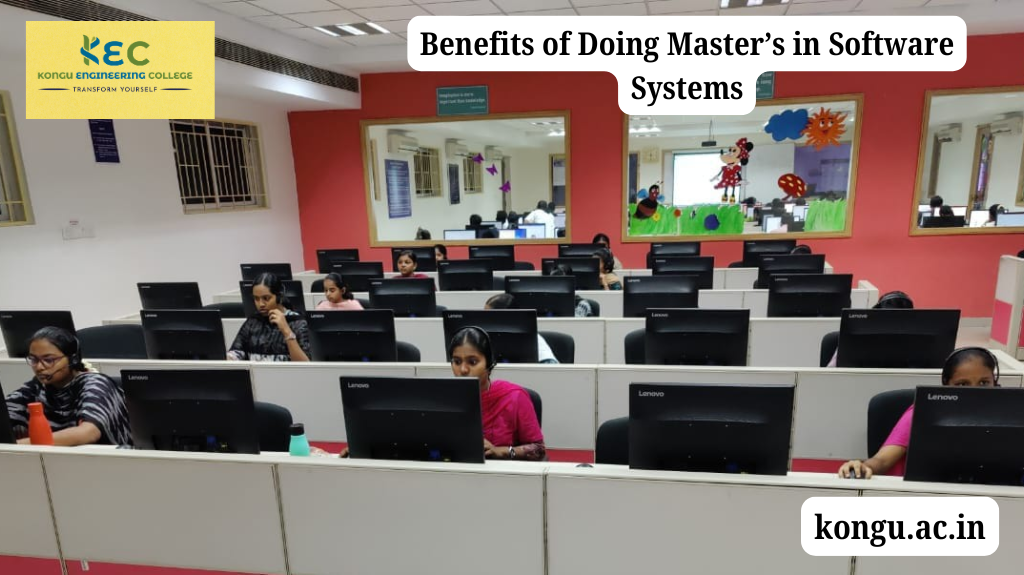
Unlock Career Opportunities: Benefits of Doing Master’s in Software Systems at Kongu
Pursuing a Master’s degree in Software Systems is an excellent way to enhance your skills and unlock lucrative career opportunities in the rapidly growing field of technology. Kongu Engineering College, with its excellent academic infrastructure, experienced faculty, and strong industry connections, offers a compelling postgraduate program that can significantly impact your career trajectory. But what are the real benefits of doing a Master’s in Software Systems at Kongu? Let’s dive deeper. Why Consider a Master’s in Software Systems? A Master’s in Software Systems equips students with advanced technical knowledge, problem-solving abilities, and exposure to cutting-edge technology. But the benefits of doing a Master’s in Software Systems at Kongu are far-reaching, especially considering the institution’s emphasis on practical learning, research, and industry-ready skills. Key Benefits of Doing Master’s in Software Systems at Kongu 1. In-depth Knowledge and Expertise The curriculum for the Master’s program at Kongu is designed to provide in-depth knowledge of software engineering, system design, programming, and project management. The program covers advanced topics in algorithms, data structures, software architecture, and cloud computing. Graduates gain a strong grasp of software systems, making them highly competitive in the job market. 2. Hands-on Experience through Labs and Projects One of the significant benefits of doing a Master’s in Software Systems is the hands-on experience. Kongu offers state-of-the-art laboratories where students get to work on real-world software development projects. This practical experience enhances problem-solving skills and prepares students for roles in software development, quality assurance, and system analysis. These projects often involve collaborations with industry partners, ensuring that students gain valuable industry insights. 3. Excellent Placement Opportunities Kongu Engineering College’s strong network with leading tech companies ensures that its students have access to some of the best job opportunities available. The institution boasts an impressive placement record, with many students securing jobs in top tech companies, such as Infosys, Wipro, TCS, and Cognizant. The benefits of doing a Master’s in Software Systems extend beyond knowledge acquisition; the program also opens doors to job offers and internships that can significantly boost your career. 4. Research and Development Opportunities Kongu encourages students to engage in research and development activities, preparing them for roles in advanced technology fields like artificial intelligence, machine learning, and blockchain. Students are given access to cutting-edge tools and software platforms that foster innovation and research. This opportunity to delve into high-end projects is a major advantage for those interested in pursuing further studies or R&D roles in the software industry. Career Prospects and Salary Potential Graduates of the Master’s in Software Systems program from Kongu Engineering College find themselves well-prepared for various roles in the tech industry. These include positions such as: With the increasing demand for software professionals globally, graduates can expect to earn competitive salaries. According to recent reports, entry-level software engineers in India earn an average salary of 6-8 LPA, with senior roles commanding even higher pay scales. How the Program at Kongu Prepares You for Success The Master’s in Software Systems program at Kongu not only focuses on technical skills but also sharpens soft skills like communication, teamwork, and leadership. These skills are essential for working in dynamic teams and taking on leadership roles in future projects. The program encourages students to think critically, innovate, and adapt to the fast-paced changes in the tech industry. Is a Master’s in Software Systems Worth It? Yes, a Master’s in Software Systems from Kongu Engineering College is definitely worth it. The program offers a comprehensive education in software development, system design, and project management, with significant emphasis on hands-on learning. The program’s strong industry ties and placement opportunities make it an excellent choice for anyone looking to build a successful career in software systems. In conclusion, the benefits of doing a Master’s in Software Systems at Kongu Engineering College are numerous. With a robust curriculum, practical learning opportunities, excellent placements, and exposure to advanced research, this program offers everything you need to succeed in the tech industry. Whether you’re aiming for a high-paying job, looking to further your studies, or planning to innovate in the world of software, Kongu provides the right environment to foster your growth.
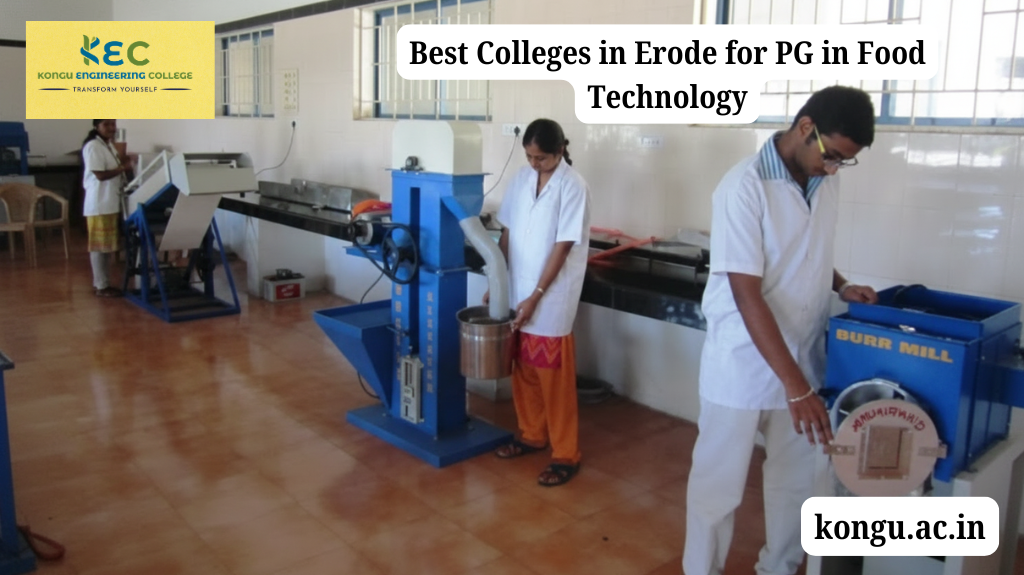
Discovering the Best Colleges in Erode for PG in Food Technology, Featuring Kongu Engineering College
Erode, with its growing educational landscape, has become a hub for students pursuing postgraduate studies in diverse fields. If you are aiming for a career in food technology, finding the Best Colleges in Erode for PG in Food Technology is essential. Among the standout institutions in the region, Kongu Engineering College (KEC) offers a top-tier program that equips students with both theoretical and practical knowledge to succeed in the food industry. This blog will guide you through why Kongu Engineering College is a leader in food technology education in Erode. Why Food Technology is a Rewarding Career Choice? Food technology combines science, engineering, and innovation to enhance food production, processing, and packaging. As consumers become more health-conscious and demand sustainable food options, food technology professionals are increasingly in demand. A postgraduate degree in this field not only provides specialized knowledge but also opens doors to a wide array of opportunities in both the public and private sectors. Choosing the right college for your PG in Food Technology is crucial for gaining the skills needed to thrive in this dynamic industry. Let’s take a closer look at what makes Kongu Engineering College one of the Best Colleges in Erode for PG in Food Technology. Kongu Engineering College has a long-standing reputation for delivering quality education in food technology. It is affiliated with Anna University and is accredited by the National Board of Accreditation (NBA), which assures students of receiving an education that meets global standards. The Program Structure at Kongu Engineering College Facilities for Hands-on Learning A defining feature of Kongu Engineering College is its state-of-the-art facilities that foster hands-on learning. The college boasts several specialized laboratories for food technology students, allowing them to engage with advanced equipment used in food testing, quality assurance, and production processes. Key Facilities: These advanced facilities give Kongu Engineering College a competitive edge and make it one of the Best Colleges in Erode for PG in Food Technology. Placement Support and Lead Generation over students career Kongu Engineering College is committed to providing its students with the tools and connections they need to secure excellent career opportunities. The college’s dedicated placement cell works with top food companies, ensuring students have access to internships, industrial training, and permanent job offers. Kongu’s placement record further solidifies its position as one of the Best Colleges in Erode for PG in Food Technology. Career Pathways in Food Technology After PG Graduating from Kongu Engineering College opens up a world of opportunities in food technology. Graduates can pursue careers in food product development, quality control, food safety management, and supply chain management. With an increasing focus on health and sustainability, the demand for food technology professionals continues to rise. Here are some potential career roles after completing a PG in Food Technology: In conclusion, Kongu Engineering College offers an exceptional opportunity for students pursuing a postgraduate degree in food technology. With its rigorous academic curriculum, hands-on learning experience, and strong industry connections, Kongu Engineering College provides a solid foundation for a successful career in food technology. “Whether you aim to work in food product development or quality control, Kongu Engineering College provides the resources and support that help you succeed.”
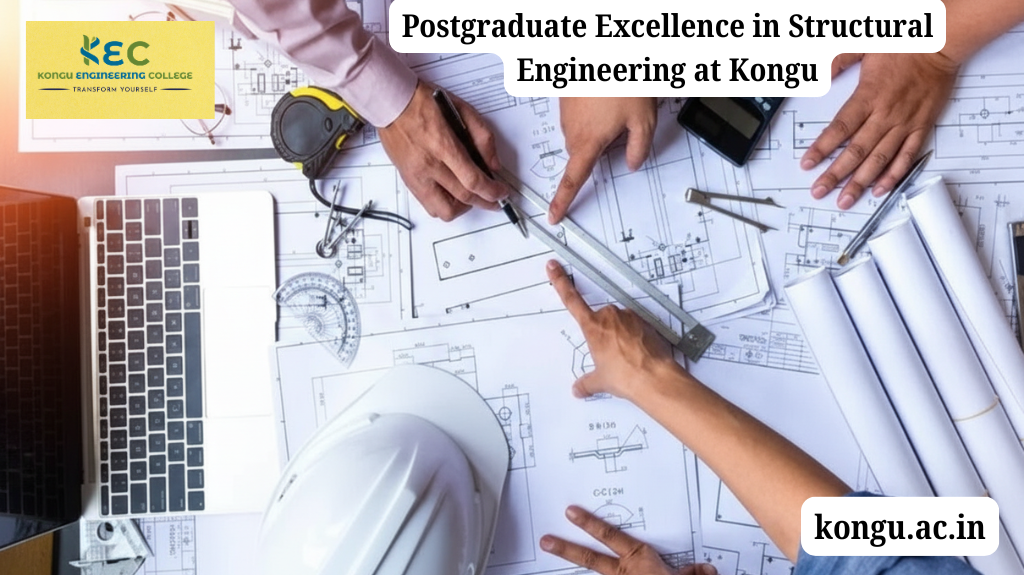
What is Structural Engineering? : Postgraduate Excellence in Structural Engineering at Kongu
Structural engineering is a vital subfield within civil engineering, focusing on the design, analysis, and construction of structures that must endure various forces and loads. What is structural engineering? It is a discipline that ensures the safety, stability, and longevity of essential infrastructures like buildings, bridges, and dams. If you’re looking to expand your expertise in this crucial field, the postgraduate program in structural engineering at Kongu Engineering College (KEC) offers a unique opportunity to gain hands-on experience and advanced knowledge in managing complex structures. Understanding What is Structural Engineering? What is structural engineering? It is a discipline that involves the design and construction of infrastructure and buildings capable of withstanding environmental stresses. Structural engineers use principles of physics, material science, and mathematics to ensure that buildings and other structures remain safe, stable, and functional. At Kongu Engineering College, postgraduate students in structural engineering delve into advanced concepts like seismic design, advanced structural analysis, and the application of modern materials. Postgraduate Program in Structural Engineering at Kongu Curriculum and Laboratories: Hands-On Learning The curriculum at Kongu Engineering College is comprehensive, with a balanced mix of theoretical knowledge and practical skills. Students are introduced to topics such as advanced structural analysis, design of reinforced concrete and steel structures, structural dynamics, and earthquake-resistant design. Students also benefit from well-equipped laboratories where they can conduct experiments and test their theoretical understanding. The structural analysis lab, material testing lab, and CAD lab provide an immersive learning environment. Here, students get to work with modern tools and technologies used in the real world, ensuring they are well-prepared to face the demands of the industry. Placements and Career Opportunities A significant aspect of Kongu’s postgraduate program is the strong focus on placements. The college has a dedicated placement cell that coordinates with leading companies in the civil and construction sectors. Graduates from the structural engineering program have gone on to work with top companies in design, construction, and consultancy. Some common career paths for graduates include: Students also have opportunities for internships, allowing them to gain practical experience and make connections with industry leaders. The college’s reputation for academic excellence and industry partnerships makes it an ideal choice for aspiring structural engineers. Why Choose Kongu Engineering College? KEC’s reputation for academic excellence and its state-of-the-art facilities make it an excellent choice for those wondering, “What is structural engineering?“. Kongu Engineering College offers a robust and enriching postgraduate program in structural engineering that answers the question, what is the uses of structural engineering? for aspiring students. The curriculum, practical learning, and placement opportunities make it a top choice for those looking to pursue excellence in the field of structural engineering. “Want to explore your future in structural engineering? Apply now – https://kongu.ac.in/ to Kongu Engineering College and kickstart your career!”
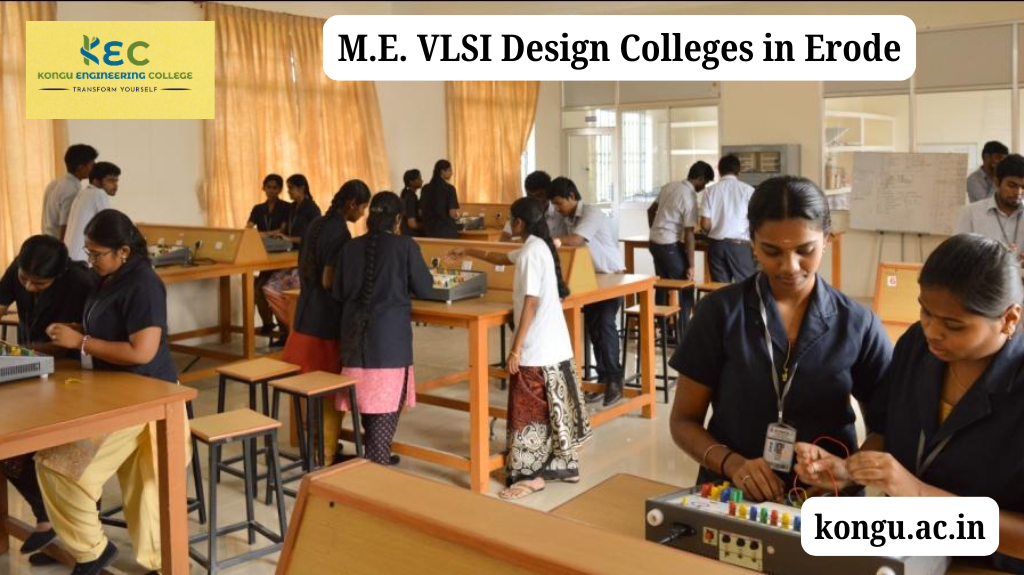
Top-Ranked M.E. VLSI Design Colleges in Erode: Inside Kongu’s Advanced Program
Students planning a postgraduate degree often compare options carefully. Many begin by searching for M.E. VLSI Design Colleges in Erode to find a reliable institution with strong academic structure. Kongu Engineering College offers a two-year M.E. VLSI Design programme that blends theory, laboratory training, and guided projects. As a result, students gain both subject clarity and practical exposure within a disciplined campus system. Why Kongu Leads Among M.E. VLSI Design Colleges in Erode Kongu Engineering College is an autonomous institution located in Perundurai, Erode, with a well-structured career transition and placement system. These recognitions reflect academic quality and structured governance. The M.E. VLSI Design programme follows a semester pattern over two years. Each semester combines classroom instruction with lab sessions. Students study digital design, CMOS circuits, analog integrated circuits, and hardware description languages. In addition, system-on-chip concepts and simulation tools are covered in depth. The M.E. VLSI Design programme follows a semester pattern over two years. Each semester combines classroom instruction with lab sessions. Students study digital design, CMOS circuits, analog integrated circuits, and hardware description languages. In addition, system-on-chip concepts and simulation tools are covered in depth. Course Structure and Admission Process The curriculum aligns with university guidelines while maintaining academic rigor. During the first year, students build strong fundamentals. Later, they handle advanced design topics and project implementation. Therefore, learning remains progressive and clear. Many students also look into M.E. VLSI Design Admission in Erode before finalizing their decision. Admission follows state norms and requires a relevant undergraduate degree in electronics or allied fields. Applicants should review eligibility criteria as per official guidelines. What Students Learn Moreover, regular lab practice ensures students understand how theory connects with real tools. Labs, Projects, and Career Preparation Laboratory exposure strengthens technical confidence. Students spend significant time working with design software and simulation platforms. Consequently, they develop hands-on skills that support career growth. The programme also includes: In the second year, students complete a major project. This phase allows them to solve practical engineering problems. Through this experience, they refine analytical and design abilities. When comparing options, aspirants evaluate faculty support and campus environment. For those reviewing M.E. VLSI Design Colleges , structured mentoring and disciplined academic planning make a strong difference. Kongu maintains consistent academic monitoring, which helps students stay focused. Placement support also plays a key role. Students attend aptitude training and mock interviews. As a result, they enter campus recruitment with greater readiness. What Makes the Programme Career-Focused? VLSI design demands accuracy and deep technical understanding. The postgraduate programme at Kongu trains students to approach design problems with clarity. They learn to simulate, test, and refine circuit models carefully. Furthermore, structured semester planning ensures steady academic progress. Faculty guidance supports each stage of learning. Therefore, students build confidence alongside technical skill. For students evaluating M.E. VLSI Design Colleges in Erode, selecting an institution with clear academic planning and lab integration is essential. Kongu Engineering College provides that balance through guided study, project work, and placement preparation. As a result, it remains a dependable choice for advanced VLSI education. “Unlock your future in VLSI – Enroll now https://kongu.ac.in/ and design tomorrow’s technology!”

Best Pg Courses in Engineering Colleges: Why Kongu Engineering College in Erode Stands Out?
Choosing the right postgraduate engineering program is a strategic decision. Students searching for the Best Pg Courses in Engineering Colleges expect academic depth, research infrastructure, strong faculty mentorship, and consistent placements. In Tamil Nadu, Kongu Engineering College has established itself as a structured, research-oriented institution offering advanced PG engineering programs aligned with industry demands. Located in Perundurai, Erode, the college combines autonomous curriculum flexibility with NAAC accreditation and AICTE approval, creating a strong academic ecosystem for postgraduate specialization. What Defines the Best Pg Courses in Engineering Colleges? The Best Pg Courses in Engineering Colleges are not identified by brochures or promotional claims. They are defined by measurable academic standards: Postgraduate engineering education must bridge academic knowledge and industrial application. Kongu Engineering College structures its PG programs accordingly. Institutional Strength and Accreditation Academic credibility builds long-term value. Kongu Engineering College is: Autonomous governance allows curriculum updates in emerging fields such as semiconductor systems, AI integration, smart grids, embedded architectures, and advanced structural analysis. This adaptability strengthens its position among institutions offering the Best Pg Courses in Engineering Colleges in Tamil Nadu. PG Engineering Programs Offered The institution offers carefully structured M.E. and M.Tech programs designed for technical mastery. M.E. Specializations M.Tech Program Each program spans two years and integrates advanced coursework, lab-intensive training, seminars, and a major dissertation. Students evaluating the Best Pg Courses in Engineering Colleges often prioritize curriculum depth, and these programs are structured accordingly. PG Engineering Courses – Program Overview Kongu Engineering College offers specialized postgraduate engineering programs designed to provide deep technical expertise and research capability. Each program focuses on advanced subject knowledge, laboratory-intensive learning, and dissertation-based evaluation. Below is a brief introduction to every PG engineering course offered. Detailed insights into curriculum structure, career scope, admission process, and laboratory facilities will be covered in dedicated branch blogs. M.E. Structural Engineering M.E. Structural Engineering focuses on advanced analysis and design of buildings, bridges, and infrastructure systems. The program covers structural mechanics, earthquake-resistant design, advanced concrete technology, and finite element methods. Students gain exposure to structural modeling software and material testing laboratories. A detailed blog will explain laboratory facilities, software tools, career opportunities in consultancy firms, and research scope in Tamil Nadu’s infrastructure sector. M.E. VLSI Design M.E. VLSI Design is centered on semiconductor device modeling, integrated circuit design, and hardware system development. The course includes digital and analog IC design, ASIC development, FPGA implementation, and EDA tool training. An upcoming branch blog will provide complete information about chip design tools, semiconductor industry scope in India, research opportunities, and placement pathways. M.E. Communication Systems This program focuses on advanced wireless communication, signal processing, network systems, and embedded communication platforms. Students study modern communication protocols and digital signal techniques with lab-based simulations. A separate branch blog will explain laboratory infrastructure, industry demand in telecom sectors, and research opportunities in communication technologies. M.E. Computer Science and Engineering M.E. Computer Science and Engineering emphasizes advanced computing concepts such as distributed systems, artificial intelligence, machine learning integration, data engineering, and cybersecurity principles. The curriculum includes project-based research and system architecture studies. A detailed blog will explore specialization tracks, software industry placements, research publications, and emerging technology domains. M.E. Power Systems Engineering This program focuses on electrical power generation, transmission systems, smart grid technologies, and renewable energy integration. Students gain analytical exposure to power stability studies and system protection techniques. An upcoming branch article will provide detailed coverage of laboratory facilities, career opportunities in power corporations, and renewable energy research potential. M.E. Engineering Design M.E. Engineering Design integrates mechanical system modeling, product development, CAD/CAM systems, and advanced manufacturing concepts. The program emphasizes simulation tools and real-world product design applications. A separate blog will cover industrial collaborations, design software platforms, and placement roles in manufacturing industries. M.Tech Information Technology M.Tech Information Technology focuses on advanced software systems, enterprise architecture, cloud technologies, and data-driven applications. Students engage in system-level design projects and technical research. A dedicated branch blog will explore IT industry demand, software architecture specialization, research prospects, and technical placement pathways. M.Tech Food Technology M.Tech Food Technology focuses on advanced food processing, preservation techniques, quality control systems, and food safety standards. The program integrates engineering principles with food science to improve product quality, shelf life, and large-scale manufacturing efficiency. Students study topics such as food process engineering, packaging technology, food microbiology, thermal processing, and quality assurance systems. Laboratory sessions emphasize product development, testing methods, and industry-standard quality evaluation procedures. Given Tamil Nadu’s strong agro-based and food processing industries, this specialization offers promising career pathways in food manufacturing companies, quality control laboratories, research organizations, and regulatory bodies. A detailed branch blog will explore curriculum structure, laboratory infrastructure, industry demand in Erode and surrounding regions, placement opportunities, and admission eligibility for M.Tech Food Technology. M.Sc Software System M.Sc in Software Systems is a comprehensive postgraduate program designed to provide in-depth knowledge and practical skills in the field of software development, design, and management. The curriculum covers key areas such as programming languages, software engineering, systems architecture, database management, and networking. It equips students with the tools needed to develop, test, and deploy software systems across various platforms. With a focus on both theoretical concepts and hands-on experience, the program prepares graduates for a successful career in the rapidly evolving tech industry. M.Sc Software Systems also emphasizes the importance of problem-solving, analytical thinking, and project Curriculum Designed for Advanced Technical Specialization Postgraduate education demands analytical rigor. The curriculum includes: Syllabi are periodically updated under autonomous academic review boards. Subjects reflect real-world engineering trends rather than outdated theoretical frameworks. This academic structure ensures graduates are industry-ready and research-capable. Research Infrastructure and Laboratory Ecosystem Research facilities define the credibility of the Best Pg Courses in Engineering Colleges. Kongu Engineering College provides: Students participate in funded research projects and publish technical papers under faculty supervision. Laboratory training ensures familiarity with industry-grade software and hardware platforms. Why Erode Is a Strategic Advantage for PG Engineering Geographic positioning strengthens industrial exposure. Erode and the surrounding Western Tamil Nadu region host: This

Why Kongu Engineering College Stands Out Among the Highest Placement Colleges in Erode
When it comes to securing a successful career, the choice of college plays a crucial role. Kongu Engineering College (KEC) is one of the highest placement colleges in Erode, and it continues to lead the way in providing students with unmatched opportunities. Here’s why Kongu Engineering College is the go-to place for aspiring engineers in the region. Impressive Placement Records Kongu Engineering College has consistently ranked among the highest placement colleges in Erode, thanks to its strong connections with top companies. The college has a dedicated placement cell that works tirelessly to ensure students secure well-paying jobs. In the 2025 batch alone, KEC saw placements from 371 companies, with 1362 students successfully placed. These figures demonstrate the college’s commitment to providing quality education and excellent career prospects. Industry-College Collaboration One key factor that sets Kongu Engineering College apart is its active industry collaboration. The college has partnered with various leading companies, ensuring that students are well-prepared for the challenges of the corporate world. Through internships, industrial visits, and guest lectures, students gain practical knowledge and exposure to real-world challenges.Strong industry network helps in enhancing placement opportunities.Industry experts are frequently invited for guest lectures and training sessions. Students get hands-on experience through internships in reputed companies. These collaborations ensure that students not only excel in their academic studies but are also ready to tackle professional challenges head-on. Focus on Skill Development Kongu Engineering College emphasizes the importance of skill development alongside academics, making it one of the highest placement colleges in Erode. The college offers numerous workshops, training programs, and certification courses that enhance students’ technical skills, making them more attractive to potential employers. These initiatives help students stay ahead of the curve, especially in today’s fast-changing job market. Some key skills developed at KEC include: This focus on skill development ensures that Kongu Engineering College students are well-equipped for success in the competitive job market. Career Guidance and Support The placement process at Kongu Engineering College is supported by a strong career guidance system. The college offers counseling services to help students choose the right career paths. With a team of experienced professionals, students are guided through resume building, interview preparation, and job search strategies. Kongu Engineering College’s comprehensive placement support ensures that every student has a clear path toward their dream job. A Step Above the Rest In conclusion, Kongu Engineering College stands out among the highest placement colleges in Erode for its remarkable placement records, strong industry connections, focus on skill development, and unwavering career support. If you’re looking for a college that will give you the skills, resources, and opportunities to succeed in the professional world, KEC is the perfect choice. “Ready to kick-start your career with one of the top placement colleges in Erode? Apply today to Kongu Engineering College and take the first step toward a bright future!”
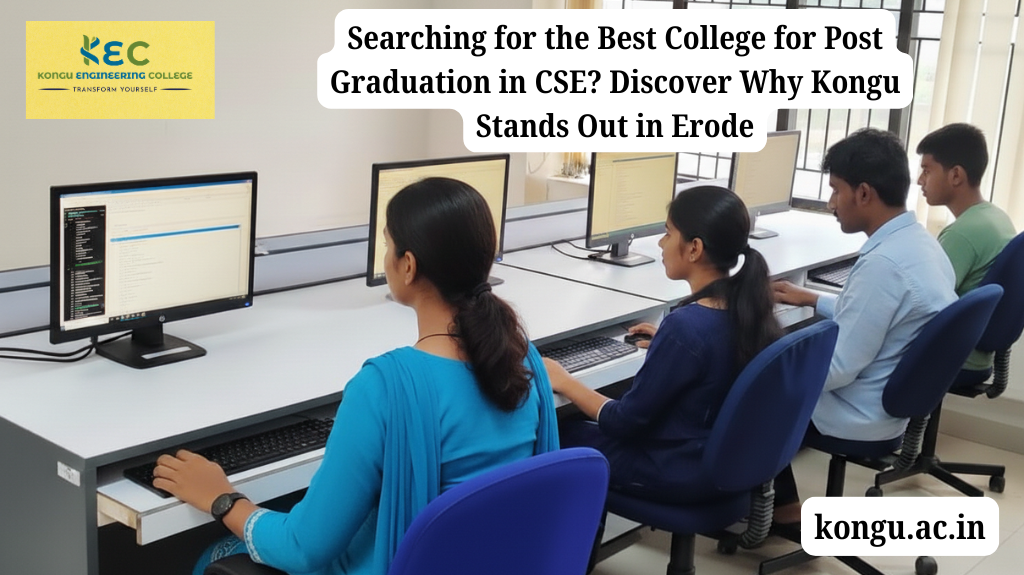
Searching for the Best College for Post Graduation in CSE? Discover Why Kongu Stands Out in Erode
When students look for the Best College for Post Graduation in CSE, they want strong teaching, good labs, and real career support. A good college shapes both knowledge and confidence. It builds technical depth and problem-solving skills. Post graduation is not just about a degree. It is about preparing for serious roles in the tech world. Computer Science drives today’s digital life. From banking apps to cloud systems, computing plays a key role. A strong M.E. programme helps students stay ready for these changes. Strong Academic Foundation A quality PG programme must focus on core Computer Science subjects. Students should gain advanced knowledge in programming, system design, data handling, and networks. Learning must mix theory with practice. Research guidance is also important. Students should work on real problems and develop new solutions. Faculty support plays a major role in shaping research skills. The Best College for Post Graduation in CSE always builds a solid base in fundamentals. Without strong basics, advanced learning becomes difficult. Industry Exposure and Skill Growth Technology changes every year. Students must stay updated with current tools and trends. A good college connects students with industry needs. Workshops, technical events, and project work improve practical skills. Industry guidance helps students understand real job roles. Key benefits students should look for: When a college supports both learning and career growth, students gain confidence. That is why many search carefully before choosing the Best College for Post Graduation in CSE. Focus on Emerging Technologies Modern computing covers many advanced areas. A strong PG programme must include topics that match today’s digital needs. Important areas include: Cyber Security plays a major role in protecting digital systems. Artificial Intelligence supports automation and smart systems. Cloud platforms help manage data at scale. Students must understand how these areas connect. The PG in CSE ensures students gain exposure to these modern fields along with core subjects. Career Path and Future Growth Post graduation opens doors to many roles. Students can choose careers in software development, research, security, or system design. Some may continue with doctoral studies. A strong college provides career guidance and placement training. Resume building sessions and mock interviews help students prepare well. Choosing wisely makes a difference. The right environment supports both academic growth and professional success. If students want strong knowledge, modern exposure, and career readiness, they must choose the Best College for Post Graduation in CSE that aligns with their goals. “Choose a right place to build your future with the right guidance and strong support with us @ https://kongu.ac.in/pg”
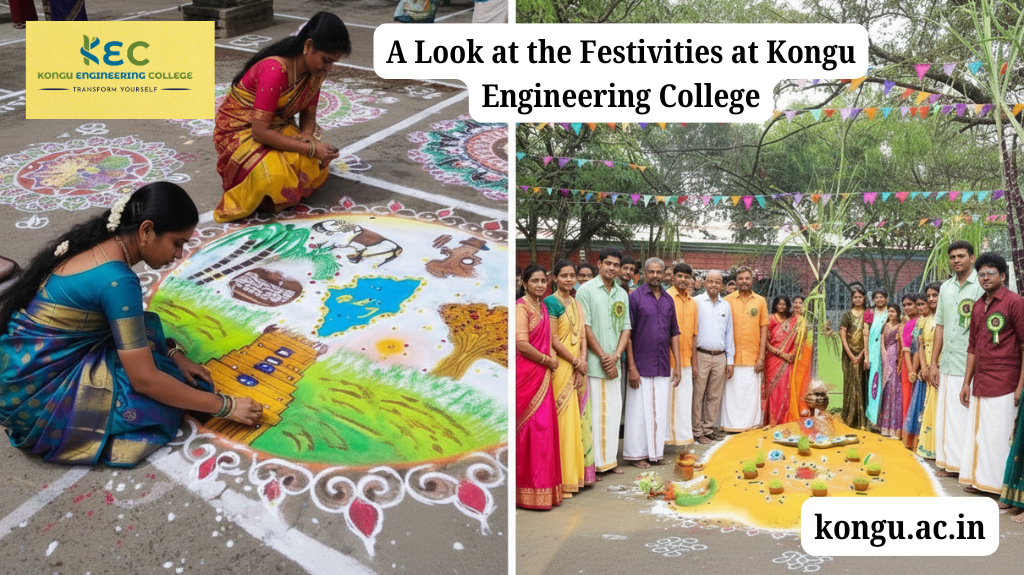
Pongal Celebrations in Colleges: A Look at the Festivities at Kongu Engineering College
Pongal Celebrations in Colleges hold a special place in student life. At Kongu Engineering College, these celebrations bring together culture, tradition, and fun. Students, faculty, and staff all come together to mark this significant festival with joy and enthusiasm. The festival isn’t just about rituals. It’s about community, heritage, and creating memories that last. The Significance of Pongal in the Campus Pongal is a harvest festival celebrated with great joy in Tamil Nadu, and at Kongu Engineering College, the celebrations are more than just an event, they’re a tradition that students eagerly anticipate every year. The festival symbolizes prosperity, gratitude for nature, and the start of a new farming cycle. At Kongu, it is celebrated with vibrant cultural events, dance performances, and feasts that reflect the true spirit of Pongal. Student Involvement in Pongal Celebrations At Kongu Engineering College, Pongal Celebrations in Colleges are a collaborative effort. Students play an active role in planning and organizing the events. The festivity becomes a reflection of the vibrant campus life where students from all disciplines work together to make the event a success. From setting up stalls to organizing cultural events, students are at the heart of it all. The Importance of Pongal Celebrations in College Life For students at Kongu Engineering College, Pongal Celebrations in Colleges go beyond just a break from academics. It serves as an opportunity for students to connect with each other on a cultural level. It’s a chance to reflect on the year gone by, celebrate achievements, and create memories with friends and faculty. The event helps students reconnect with their cultural identity and strengthens their bond with peers. Pongal celebrations also help in bringing together students from different disciplines, fostering a sense of unity and community within the campus. Celebrating Pongal in college life is a way of keeping the cultural traditions alive while also providing students with a platform to express themselves creatively. It encourages a sense of belonging and pride, making it an essential part of the academic experience. A Blend of Tradition and Modernity Pongal Celebrations in Colleges at Kongu Engineering College are a delightful fusion of culture, tradition, and fun. The event not only celebrates the harvest but also strengthens the community bond among students, faculty, and staff. These celebrations offer students a chance to experience their heritage while enjoying modern cultural performances. The Pongal festival at Kongu is a time to relax, reflect, and come together to create lasting memories. It is a true reflection of the college’s commitment to fostering both academic excellence and cultural growth. “Experience tradition, unity, and creativity like never before! With us @ https://kongu.ac.in/”