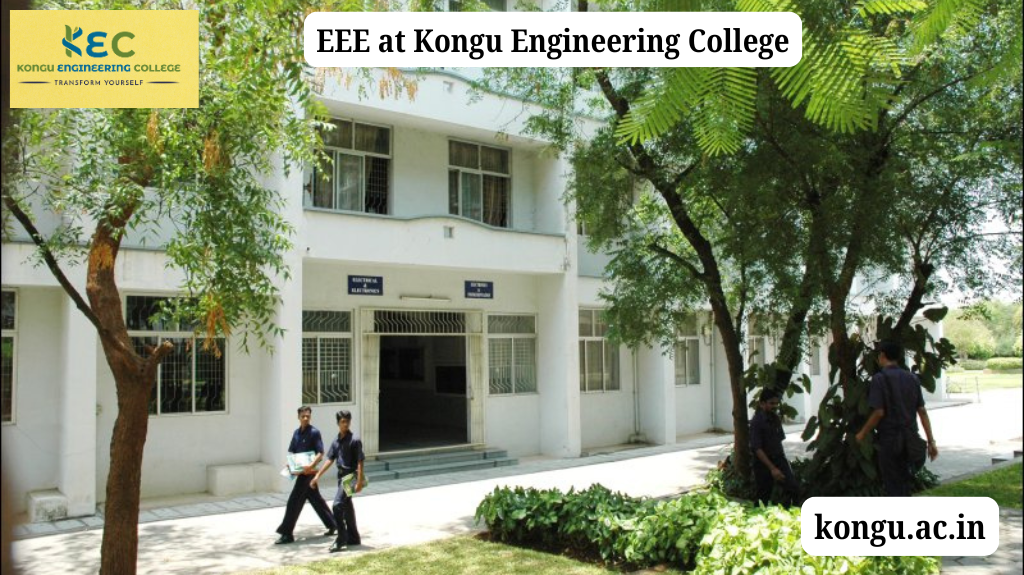
Electrical and electronics engineering plays a vital role in powering modern infrastructure and intelligent systems. The EEE at Kongu Engineering College program is designed to build a strong foundation in electrical principles while addressing emerging technologies. Moreover, the curriculum supports innovation in energy systems, automation, and control engineering. Students gain both theoretical clarity and practical exposure, which helps them adapt to evolving industrial and societal needs. EEE at Kongu Engineering College: academic focus and learning framework The academic framework follows a structured and progressive learning approach. Initial semesters emphasize core electrical concepts, while advanced courses introduce applied and interdisciplinary areas. Laboratory sessions and project work strengthen understanding through hands-on practice. Core academic areas Through this structured approach, students develop analytical thinking and technical accuracy. In addition, continuous evaluation ensures consistent learning outcomes without overreliance on examinations. Skill development and practical exposure Skill development remains an integral part of the program. Students participate in technical workshops, seminars, and project-based activities that enhance problem-solving ability. Furthermore, simulation tools and laboratory equipment support applied learning. The EEE at Kongu Engineering College encourages teamwork and effective communication through group projects and presentations. As a result, students gain confidence in technical discussions and collaborative environments. Soft skills such as documentation and professional ethics also receive due emphasis, which supports long-term career growth. Innovation in energy and automation The program aligns closely with current industry trends in energy efficiency and automation. Students explore modern electrical systems that support sustainable development. Additionally, exposure to automation concepts prepares them for intelligent control applications. The EEE at Kongu Engineering College enables learners to understand renewable energy integration, smart systems, and efficient power management. Consequently, graduates develop the ability to contribute meaningfully to industries focused on innovation and sustainability. Career scope and future pathways Graduates can pursue diverse opportunities across core and allied sectors. The program prepares students for technical roles as well as higher studies. Career pathways include: The program offers a balanced combination of academic strength, skill enhancement, and industry relevance. It prepares students to meet future challenges with competence and responsibility. “Learn how innovation and hands-on learning power EEE at Kongu Engineering College @ https://kongu.ac.in/ ”
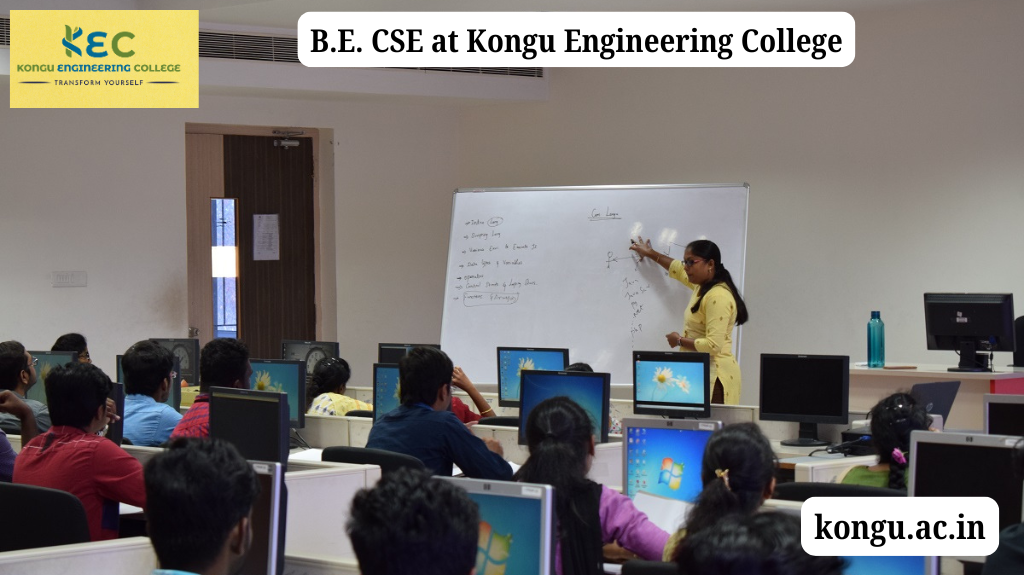
B.E. CSE at Kongu Engineering College: scope of computer science and engineering studies
Computer science and engineering has become one of the most influential disciplines in today’s digital era. The B.E. CSE at Kongu Engineering College offers students a structured academic environment that blends strong theoretical foundations with practical learning. Moreover, the program focuses on developing problem-solving abilities, logical thinking, and technical competence. As technology continues to evolve, this course equips students with the knowledge required to adapt, innovate, and contribute effectively across industries. B.E. CSE at Kongu Engineering College: Scope for the Future The scope of computer science and engineering is broad and continuously expanding. Students gain exposure to core computing concepts while gradually exploring advanced domains. Consequently, the program supports both academic excellence and professional readiness. The curriculum emphasizes clarity of concepts, consistent assessment, and hands-on learning. Academic framework and learning approach The academic structure is carefully designed to ensure progressive learning and alignment with university and industry standards. Early semesters focus on fundamentals, while later stages strengthen specialization. In addition, laboratory sessions reinforce classroom instruction. Key academic components include: Through this framework, students enrolled in the B.E. CSE at Kongu Engineering College develop analytical thinking and technical accuracy. As a result, they gain confidence in applying concepts to real-world scenarios. Skill development and practical exposure Skill development remains central to the learning experience. Along with coursework, students participate in technical workshops, seminars, and project-based activities. These opportunities improve teamwork, communication, and professional discipline. Furthermore, project work encourages independent learning and innovation. The B.E CSE at Kongu Engineering College also promotes the use of modern tools and computing platforms during practical sessions. Therefore, students become familiar with industry-relevant environments. Soft skills such as presentation, documentation, and collaboration receive equal attention, which enhances overall employability. Career pathways and future prospects Graduates can pursue diverse career options across technology-driven sectors in India and abroad. The B.E CSE at Kongu Engineering College prepares students for both core technical roles and interdisciplinary opportunities. Additionally, the program supports higher studies and research-oriented paths. Common career avenues include: In summary, the program provides a balanced academic journey supported by continuous skill enhancement and professional readiness. It enables students to remain adaptable, competent, and future-ready in an ever-changing technological landscape.
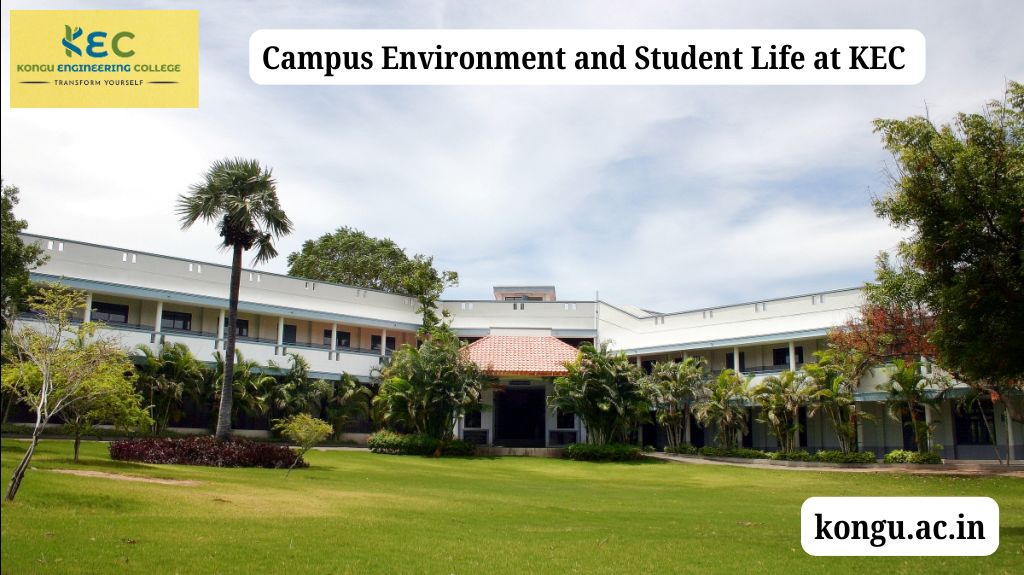
Campus Environment and Student Life at Kongu Engineering College, Perundurai
Kongu Engineering College is located on a large, self-contained campus at Perundurai. The campus environment and student life at Kongu Engineering College is maintained as a green and organised academic space with dedicated facilities for instruction, residence, sports, and student services. Institutional practices related to cleanliness, landscaping, and waste management are implemented as part of campus maintenance. The campus is Wi-Fi enabled and includes academic blocks, laboratories, hostels, sports grounds, service buildings, and common facilities required for daily student life. Residential Facilities and Hostel Life On-campus hostel facilities are provided separately for boys and girls. Multiple hostel blocks function under appointed wardens and established hostel rules. Residential facilities are supported by: Hostel operations follow prescribed timings and entry procedures as published in institutional rules. Guest houses and staff quarters are also available within the campus. Transport and Daily Mobility The institution operates its own transport system to support daily commuting for students and staff. College buses connect the campus with nearby towns and surrounding regions. Transport services are managed with designated routes, schedules, and safety measures as part of institutional administration. Student Activities and Organised Engagement Student participation is coordinated through recognised clubs, associations, and institutional cells. Activities are conducted under faculty supervision and institutional approval. Student engagement includes: Events, workshops, and programmes are conducted as part of student-centric activities reported through IQAC and annual documentation. Sports and Physical Education Sports activities are managed by the Department of Physical Education. The campus includes facilities for both indoor and outdoor games. Available infrastructure includes: The college conducts regular coaching programmes, inter-college tournaments, and annual sports events such as the Kongu Trophy and Sports Day. Student Support and Welfare Services Student life is supported through formally constituted support systems. These include: Faculty mentoring and counselling structures are documented as part of institutional student support practices. Health, Food, and Campus Services The campus includes a medical centre with ambulance services. Food facilities such as canteens and food courts operate within the campus. Additional services include: These facilities support daily student requirements as listed in campus infrastructure disclosures. Discipline and Campus Regulations The institution follows a published Code of Conduct governing attendance, classroom discipline, hostel rules, and campus behaviour. Regulations related to mobile phone usage, dress code, and student conduct are documented. Anti-ragging policies are enforced in accordance with statutory guidelines. Campus Life within the Institutional Framework The Campus Environment and Student Life at Kongu Engineering College are organised through documented facilities, approved activities, and regulated support systems. Academic schedules, residential arrangements, student services, and co-curricular participation function within clearly defined institutional structures published by the college.